Biden vs Trump: A Clash of Diplomatic Visions
Biden vs Trump: A Clash of Diplomatic Visions Diplomacy, often described as the velvet glove covering the iron fist of national interests, has taken strikingly different forms under the leadership of Joe Biden and Donald Trump. The Biden Trump diplomacy clash is more than a contrast in personalities—it symbolizes a tectonic shift in how America interacts with the world. This divergence encompasses multilateralism versus unilateralism, partnership versus transaction, and traditionalism versus disruption. Let’s delve deep into this grand diplomatic duel.
Foundations of the Biden Trump Diplomacy Clash
At its core, the Biden Trump diplomacy clash stems from their disparate worldviews. Joe Biden, with decades steeped in Senate foreign relations and two terms as Vice President, embraces alliances, global institutions, and collective action. His view is woven into a fabric of international trust and mutual benefit.
His “America First” doctrine championed sovereignty, frequently eschewing global institutions he deemed antiquated or disadvantageous to U.S. interests.
This philosophical rift paved the way for profoundly different diplomatic maneuvers, sparking admiration from some quarters and consternation from others.
NATO and the Transatlantic Divide
One of the most visible arenas for the Biden Trump diplomacy clash was NATO. Trump famously chastised NATO allies for not meeting defense spending targets, suggesting that underperformance might absolve the U.S. of its mutual defense obligations. His words rattled traditional allies and invigorated adversaries.
Biden reversed course upon assuming office. He reasserted America’s unwavering commitment to NATO’s Article 5, reinforcing the sanctity of collective defense.
The Biden Trump diplomacy clash in this arena underscored competing ideas about loyalty, obligation, and power projection on the world stage.
Trade Wars and Treaties: Dueling Economic Blueprints
The clash extended robustly into the economic realm. Trump, wielding tariffs like cudgels, launched trade wars against China, the European Union, and even Canada. He withdrew the U.S. from the Trans-Pacific Partnership (TPP), favoring bilateral deals he could renegotiate on American terms.
Biden’s vision sees economic diplomacy as a team sport—strengthening coalitions to check adversaries and advance collective prosperity.
In economic diplomacy, the Biden Trump diplomacy clash is akin to two architects designing structures with fundamentally different blueprints: one fortified for solitary survival, the other built for communal resilience.
Climate Diplomacy: A Planet Divided
Climate policy became a battlefield for the Biden Trump diplomacy clash. He celebrated fossil fuels and slashed environmental regulations with relish.
Biden, signaling a dramatic volte-face, not only rejoined the Paris Agreement but elevated climate change to a national security priority.
Here, the Biden Trump diplomacy clash crystalizes in ideological terms: Trump prioritizing short-term economic gains and sovereignty, Biden betting on long-term global stewardship and cooperative innovation.
Relations with China: From Trade Barriers to Strategic Competition
China, the emergent superpower, occupies a prominent place in the Biden Trump diplomacy clash. Trump’s approach was blunt and confrontational, slapping tariffs on Chinese goods, restricting technology transfers, and vilifying China for the COVID-19 pandemic.
Biden, while retaining many of Trump’s hardline measures, pivoted toward building a broader coalition to counter China’s ambitions. He revitalized the Quadrilateral Security Dialogue with Australia, India, and Japan, and sought partnerships with Europe to create a united front on trade, human rights, and technology competition.
In the China theater, the Biden Trump diplomacy clash morphs into a strategic pas de deux—two leaders acknowledging the challenge but choosing vastly different choreography.
Middle East Maneuvers: Deals and Dilemmas
In the Middle East, the Biden Trump diplomacy clash played out through contrasting engagements. Trump brokered the Abraham Accords, normalizing relations between Israel and several Arab states—an achievement praised across partisan lines. His administration also withdrew from the Iran Nuclear Deal, favoring a “maximum pressure” campaign against Tehran.
Biden has taken a more conventional approach. While maintaining support for the Abraham Accords, his administration sought to re-engage Iran diplomatically, attempting to restore aspects of the nuclear deal to curb Iran’s nuclear ambitions.
The Middle East reveals the layered complexity of the Biden Trump diplomacy clash—a landscape where achievements, missteps, and recalibrations intertwine like vines on an ancient wall.
Immigration and Global Humanitarianism
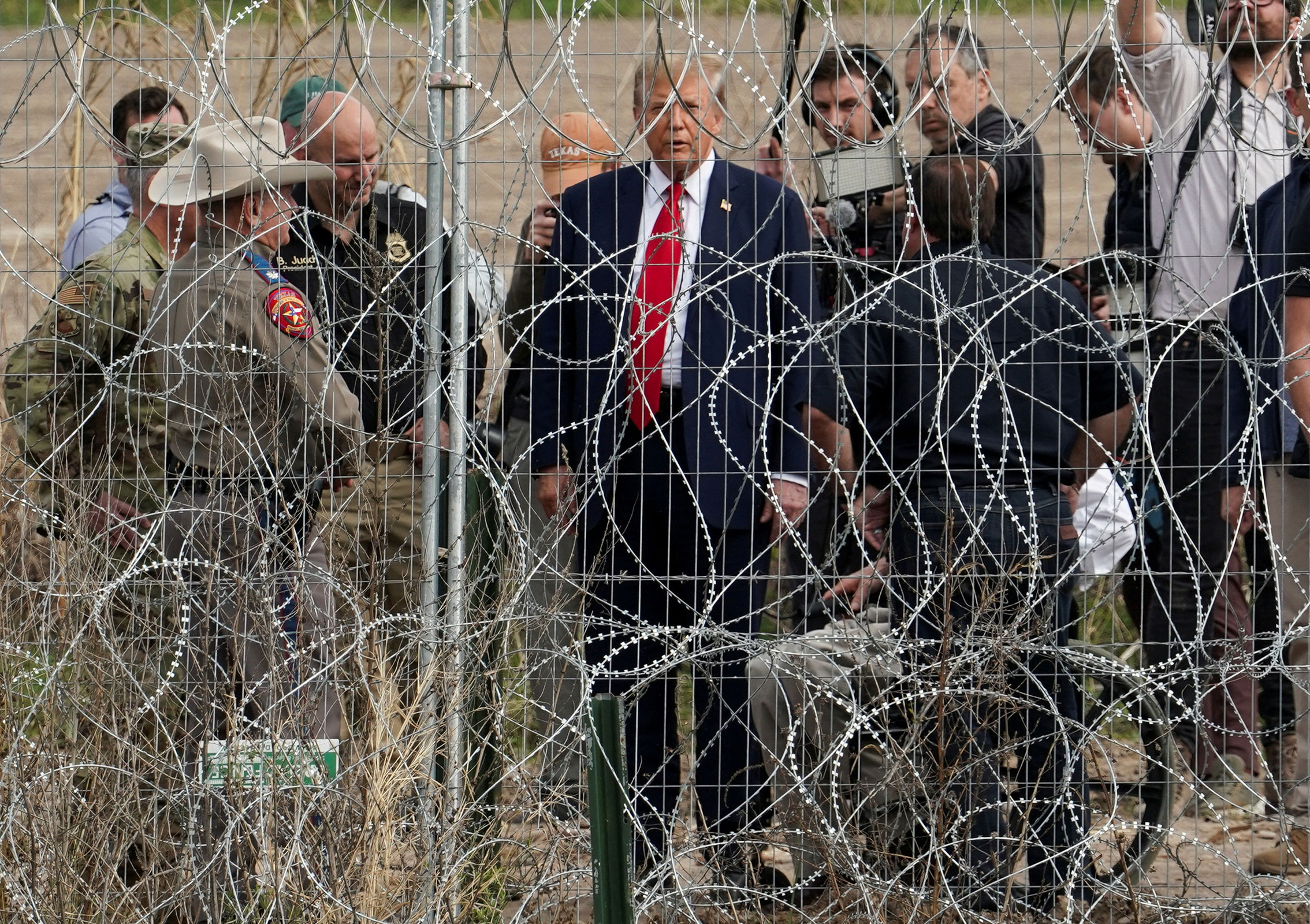
Diplomatic approaches toward immigration illuminate another aspect of the Biden Trump diplomacy clash. Trump’s policies focused on border fortification, travel bans from predominantly Muslim countries, and stringent refugee caps, all under the rubric of national security.
Biden reversed many of these policies, raising refugee admissions, ending discriminatory travel bans, and promoting immigration as an American strength. His rhetoric emphasized compassion, human dignity, and international responsibility.
On immigration, the Biden Trump diplomacy clash pits fortress mentality against bridge-building—a stark juxtaposition shaping perceptions far beyond America’s borders.
International Institutions: Engagement vs Erosion
Global institutions like the United Nations, World Health Organization (WHO), and World Trade Organization (WTO) became emblematic battlegrounds in the Biden Trump diplomacy clash. Trump questioned their legitimacy and withdrew from the WHO, citing mismanagement during the pandemic.
Biden’s philosophy embraced these institutions, albeit with a desire for reform. He quickly rejoined the WHO, championed U.N. initiatives, and supported international frameworks that aim to tackle global challenges collectively.
For Trump, sovereignty was paramount; for Biden, partnership is the cornerstone. This fundamental tension underscores every facet of the Biden Trump diplomacy clash.
Russia: Tango or Standoff?
The approach to Russia vividly displays the Biden Trump diplomacy clash. Trump’s administration maintained sanctions but often projected ambivalence toward Moscow’s transgressions, particularly election interference. His Helsinki summit performance, where he appeared deferential to Vladimir Putin, shocked even his staunchest allies.
Biden, conversely, has taken a harder line. His administration imposed sanctions over cyberattacks, election meddling, and the poisoning of opposition leader Alexei Navalny. Biden has labeled Russia a threat to global stability and strengthened U.S. support for Ukraine against Russian aggression.
Soft Power: Culture, Ideals, and Global Image
The Biden Trump diplomacy clash extends into the realm of soft power—how America is perceived culturally and ideologically abroad. Trump’s “America First” ethos often alienated traditional allies and emboldened nationalist movements worldwide.
Soft power, often an intangible currency, becomes glaringly tangible in the context of the Biden Trump diplomacy clash, revealing the power of narrative in shaping global order.
The Future of U.S. Diplomacy
As the world accelerates into a future of shifting alliances, technological revolutions, and existential threats like climate change and pandemics, the legacy of the Biden Trump diplomacy clash looms large. Will America champion collective action, or prioritize insular strength? Will partnerships flourish, or wither under transactional scrutiny?
The next generation of leaders, diplomats, and citizens will inherit the contours of this clash.
Conclusion
The Biden Trump diplomacy clash is not merely a snapshot of two political figures grappling for dominance on the global stage—it is a portrait of competing visions for humanity’s shared destiny. Trump’s brash unilateralism and Biden’s collaborative idealism offer a compelling study in contrasts, each with fervent adherents and passionate critics.
In the end, this grand clash of diplomatic visions challenges the United States to define its role anew in an ever-evolving world. It beckons a reckoning: will America lead through inspiration or intimidation, through cooperation or confrontation? The answer, like diplomacy itself, will unfold not in grand pronouncements, but in the intricate, unrelenting dance of international engagement.