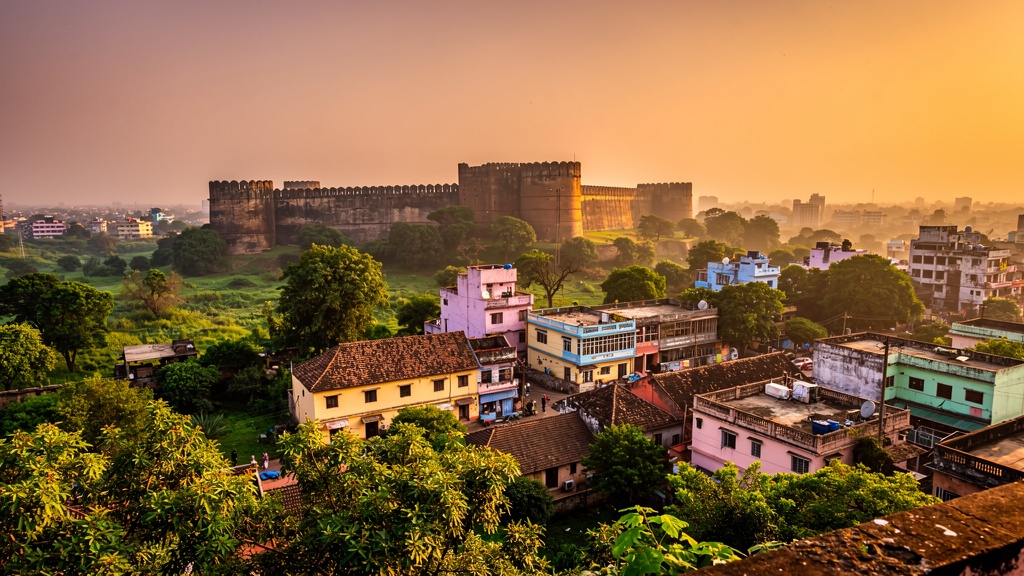
Rediscovering the Art of Doing Nothing: How Leisure Time Recharges the Soul

Rediscovering the Art of Doing Nothing: How Leisure Time Recharges the Soul
In a world that glorifies productivity, hustle culture, and constant achievement, the idea of doing nothing might sound like a luxury—or even a failure. Yet, beneath the surface of our busy lives lies a profound truth: leisure time is not idle time. It is a vital act of self-preservation, a silent recharge for the soul, and a rebellion against the relentless pace of modern existence. Rediscovering the art of doing nothing isn’t about laziness; it’s about reclaiming a fundamental human need—to pause, reflect, and simply *be*.
The Modern Myth of Productivity
Society has long equated worth with work. From the Protestant work ethic to the rise of side hustles, the message is clear: if you’re not producing, you’re not contributing. Social media amplifies this pressure, turning leisure into another form of performance—think of Instagram-worthy “self-care Sundays” or curated “aesthetic” downtime. Meanwhile, our brains are wired for constant stimulation, whether through work emails, news cycles, or endless scrolling. The result? A culture of burnout, where rest feels like a guilty indulgence rather than a necessity.
But here’s the irony: doing nothing is, in fact, one of the most productive things we can do—for our mental health, creativity, and overall well-being. Neuroscience confirms that the brain needs idle moments to consolidate memories, process emotions, and generate new ideas. When we’re always “on,” we deplete our cognitive resources. True productivity isn’t about filling every second but about creating space for renewal.
The Science of Doing Nothing
Doing nothing—often referred to as “non-doing” or “deep leisure”—isn’t about laziness. It’s about engaging in activities that don’t demand output or measurable results. Research shows that such moments activate the default mode network (DMN) in the brain, a system linked to creativity, self-reflection, and problem-solving. When we daydream, stare out a window, or take a slow walk without a destination, we’re not wasting time; we’re engaging in essential mental housekeeping.
Studies also highlight the benefits of unstructured leisure:
- Stress reduction: Doing nothing lowers cortisol levels, counteracting the chronic stress of modern life.
- Enhanced creativity: The brain’s “aha moments” often strike during periods of relaxation, not forced focus.
- Improved emotional resilience: Leisure time allows us to process emotions without suppression, leading to greater emotional intelligence.
- Better sleep: Disconnecting from screens and obligations before bed promotes deeper, more restorative rest.
Even the ancient Greeks understood this. The concept of *scholé* (from which we derive “school” and “leisure”) referred to a state of being where one engaged in contemplation, learning, or simply enjoying life—without the pressure of utility. It was the foundation of a fulfilling existence.
The Art of Leisure in a Hyperconnected World
In an era where smartphones are extensions of our hands and notifications rule our attention, reclaiming leisure time requires intentionality. The key isn’t to eliminate all distractions but to design moments of true stillness. Here’s how to reintroduce the art of doing nothing into your life:
Start Small
You don’t need a week-long retreat to benefit from leisure. Begin with tiny pockets of nothingness:
- Sit on a park bench for five minutes without your phone.
- Take a “thinking walk” where the goal is simply to observe your surroundings.
- Lie down and close your eyes, focusing only on your breath.
Embrace Boredom
Boredom is the gateway to creativity and self-discovery. Instead of filling every idle moment with podcasts or social media, allow yourself to sit with the discomfort of unstructured time. Let your mind wander—it might lead somewhere unexpected.
Redefine “Leisure”
Leisure isn’t just about binge-watching shows or scrolling through feeds (though those have their place). True leisure is any activity that feels restorative and free from obligation. For some, it’s gardening; for others, it’s playing an instrument or sketching. The point is to engage in something that feels like play rather than work.
Schedule Nothing
Just as you’d block time for a meeting, block time for doing nothing. Treat it like a non-negotiable appointment with yourself. Whether it’s an hour on Sunday mornings or 30 minutes before bed, protect this time fiercely.
Disconnect to Reconnect
Digital detoxes don’t have to be extreme. Try a “no screens” hour after dinner, or designate one day a week as a tech-free zone. The goal isn’t to reject technology but to create boundaries that allow you to be present with yourself and your surroundings.
Doing Nothing as an Act of Resistance
In a culture that profits from our attention and exhaustion, choosing to do nothing is an act of rebellion. It’s a refusal to let capitalism dictate how we spend our time. It’s a quiet protest against the idea that our worth is tied to our output. And more often than not, those who embrace leisure find themselves more productive *and* more content when they do return to work.
Consider the lives of some of history’s greatest thinkers. Albert Einstein played the violin to relax. Maya Angelou rented a tiny writer’s cabin in the woods to think. Charles Darwin took long walks to clear his mind. They didn’t do these things because they had extra time; they did them because they understood that genius often emerges from the spaces between work.
Finding Balance in the Art of Doing Nothing
Of course, doing nothing isn’t about abandoning responsibilities or living in a state of perpetual passivity. It’s about balance—recognizing when to push forward and when to pause. The Japanese concept of *ma* (間) captures this beautifully: the space between things, the silence in music, the pause in conversation. It’s in these gaps that meaning often resides.
As we navigate a world that never stops, the art of doing nothing becomes an act of self-care, a form of resistance, and a path to deeper fulfillment. It’s not about escaping life but about fully experiencing it—one quiet moment at a time.
Final Thoughts: The Gift of Stillness
In the end, rediscovering the art of doing nothing is about reclaiming a part of ourselves that hustle culture has tried to erase. It’s about remembering that we are not machines, not perpetually busy, not defined by our output. We are human beings, and our souls thrive on rest, reflection, and simple joy.
So go ahead. Sit on the porch. Stare at the clouds. Let your mind wander. Do nothing—and watch as the world feels a little lighter, a little brighter, and a little more yours.